Complete Guide: How to Choose Your First Karate Uniform and Protective Gear
Are you buying your first Karate equipment? Learn how to choose the ideal Karate uniform (Karategui), understand the differences in fabrics, and find out which Karate protectors are essential for your safety.
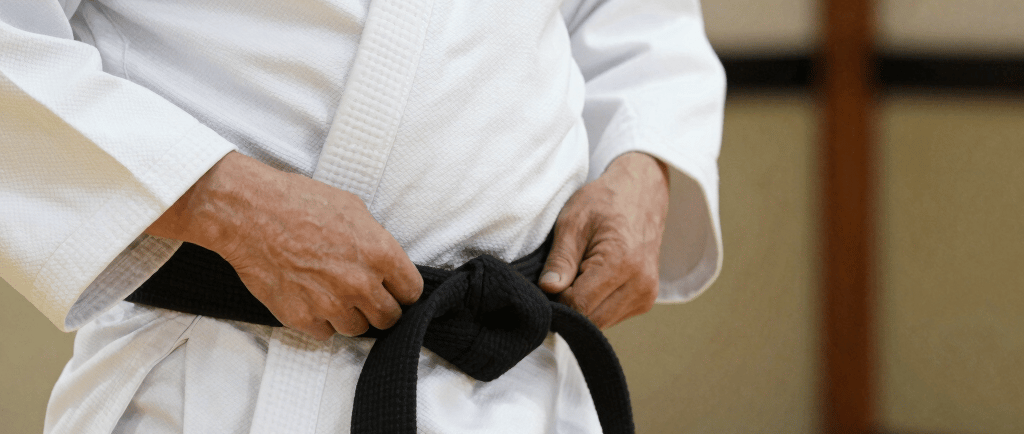
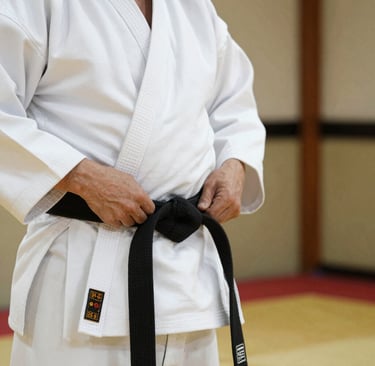
After your first trial classes, a milestone moment arrives: the time to acquire your own equipment. Putting on your first Karategui (the correct name for a Karate kimono) is a rite of passage. Suddenly, you are no longer just someone "testing" an activity, but someone who has committed to "The Way."
However, when browsing stores or searching online, it is easy to get confused by the vast variety of brands, fabrics, and prices. Choosing the wrong gear can result in discomfort, restricted movement, or unnecessary spending. Have you ever considered that your uniform is actually your primary tool, and it needs to adapt to your body—not the other way around?
The Karategui: Much More Than Just White Clothes
The first thing you need to know is that there are different types of Karategui for different goals. They are generally classified by the weight of the fabric, measured in ounces (oz).
Beginner Karategui (Lightweight): Usually made of cotton twill or polyester blends, this uniform is thinner and lighter (around 8oz to 10oz). It is ideal for those just starting because it is affordable and easy to wash and dry. Important tip: Since cotton tends to shrink after the first few washes, always consider buying a slightly larger size if the fabric is 100% cotton.
Kata Karategui (Heavyweight): If you’ve seen an advanced practitioner making movements that produce a loud "snap" like a whip, much of that sound comes from the fabric. Kata uniforms are heavy (12oz to 16oz) and made of thick canvas. They are stiffer and maintain the body's structure, though they can be warmer for those not yet used to intense training.
Kumite Karategui (Sparring/Competition): These are made of high-tech, ultra-light fabrics often featuring ventilation areas. They are designed for maximum speed and do not retain sweat. Did you know that a fabric that is too heavy during a fight can make you tire much faster due to the extra weight of accumulated perspiration?
Choosing Essential Karate Protectors
In Karate, safety comes first. Even though it is an art focused on control, using protective gear is indispensable to avoid minor injuries and build confidence while learning combat techniques (Kumite).
Gloves (Mittens): Karate gloves are lightweight and leave the fingers semi-exposed. They protect your knuckles and your partner's face. While there are standard colors (blue and red) for competitions, any color works for daily training.
Mouthguard: This is perhaps the most important item. It protects your teeth and helps prevent concussions by stabilizing the jaw. A good moldable mouthguard can significantly reduce training anxiety.
Shin and Insta-guards: Essential to avoid bone-on-bone contact during kicks. Look for anatomical models that don't rotate on your leg during movement.
Groin Guard and Chest Protector: Fundamental personal safety items. For women, a chest protector offers the necessary comfort to focus entirely on technique without external worries.
The Ideal Fit: Comfort is Performance
When trying on your Karategui, check if the pants allow you to do a deep squat without "locking" at the hips. The jacket sleeves (Wagi) should not go past your wrist bone, and the pants should sit just above the ankle.
Equipment should feel like a second skin; you should be able to forget you are wearing it so you can focus entirely on the Sensei’s instructions.
Maintenance and Care Tips
A good Karategui can last for years if well cared for. Avoid excessive use of bleach (chlorine), as it destroys cotton fibers and makes the fabric brittle.
Pro-tip: Always wash your uniform after training to prevent sweat from staining the fabric yellow. Have you noticed how the care you take with your uniform reflects the respect you have for the martial art itself?
Choosing your first gear is an exercise in self-awareness. Do you prefer a softer fabric that is gentle on the skin or a firmer one that holds the posture of your technique? Investing in good protectors now can prevent you from having to miss training due to a silly injury in the future.
Contact
contato@haikaratedo.com